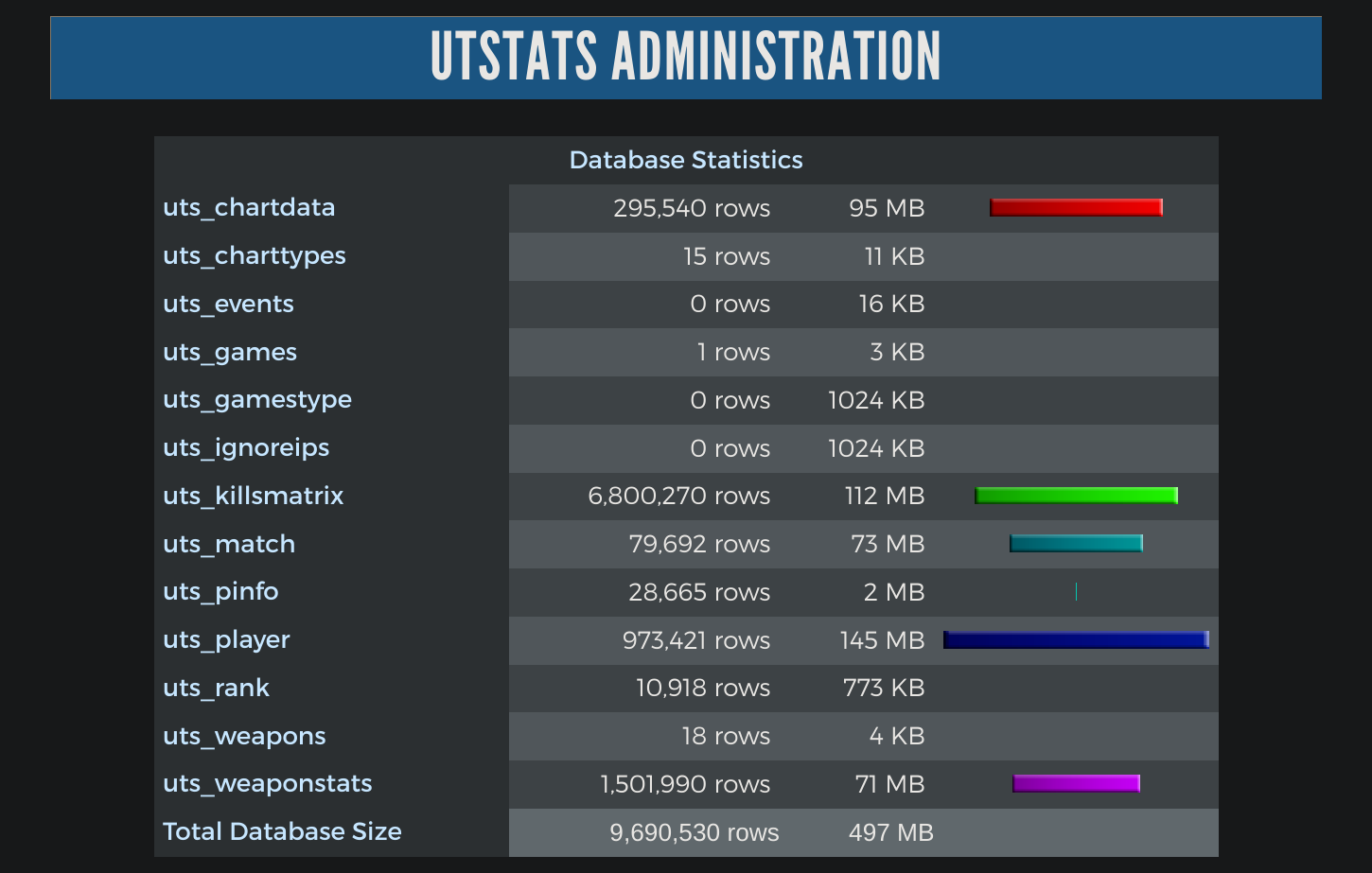
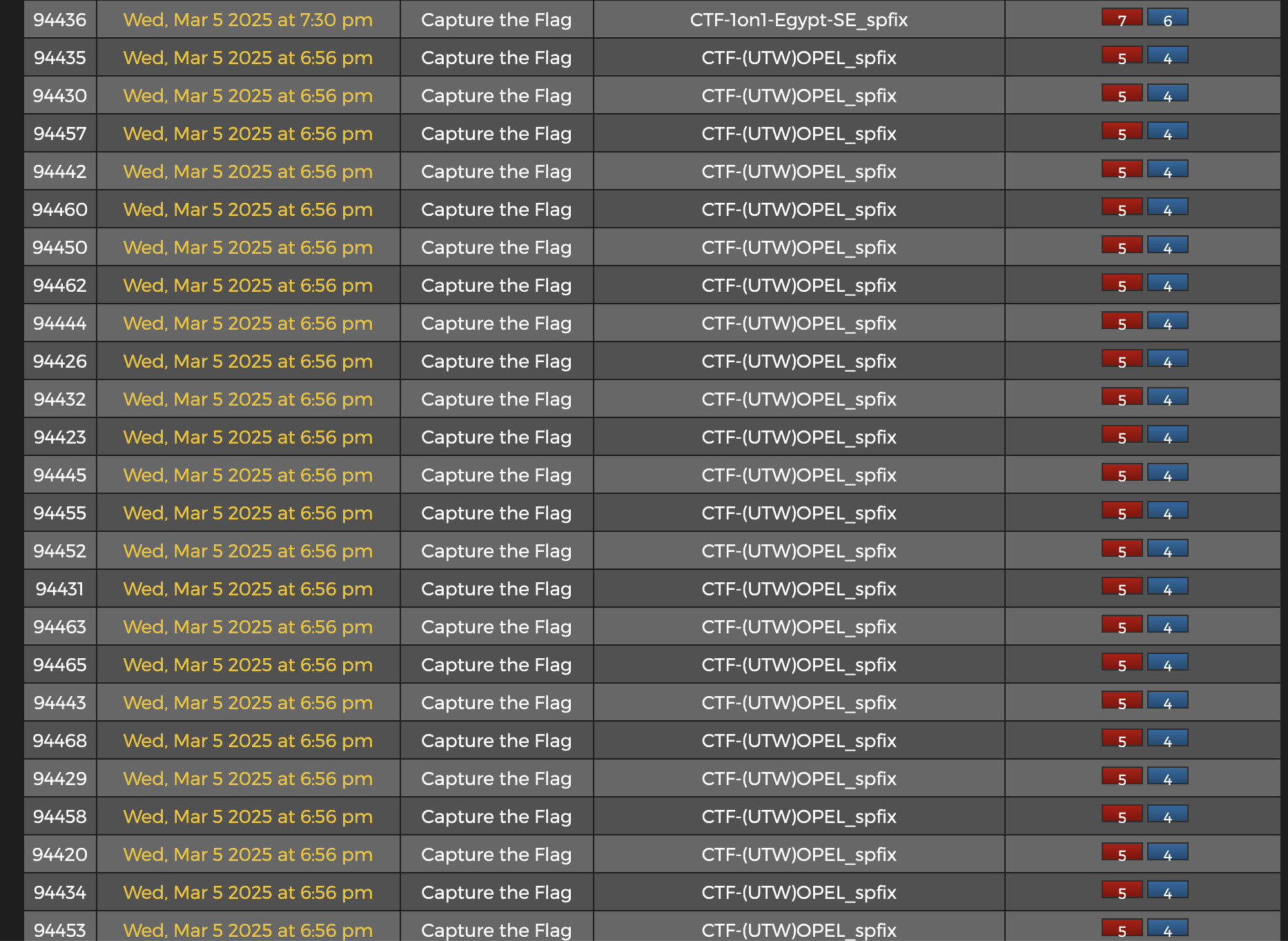
Maybe it's further up in the text and I just missed it, sorry.
To avoid multiple loading, you could set a primary key for the target table that is derived from one of the natural attributes (e.g., the date the map was started). If this isn't feasible with a primary key, a unique key (UK) can also help. It might be possible to resolve the UK, which includes multiple columns, but this would make the inserts longer.
Alternatively, you can also pursue the following solution strategy: You don't load the data immediately into the actual target table, but rather into a staging table. You can then perform the inserts row by row using a cursor. If the UK matches (see above), an existing record is rejected, and the remaining ones are entered into the target table.
If you are interested in the rejected data, you can simply write the data to an error table in the event of an error using this procedure.
Depending on how results are calculated (the ranks mentioned above), there are also workarounds: either you calculate only a subset of the ranking in a suitable loop (e.g., only player names beginning with "A," then "B," etc.).
Alternatively, you have to look at the query to determine the ranking. Nested full table scans are expensive. Here, you could speed up the query by using indexes on the appropriate columns.
If all else fails, you can consider rewriting the ranking calculation (query rewrite) or storing intermediate results in a temporary table. If the database starts swapping data with large amounts of data, the query quickly becomes imperformant.